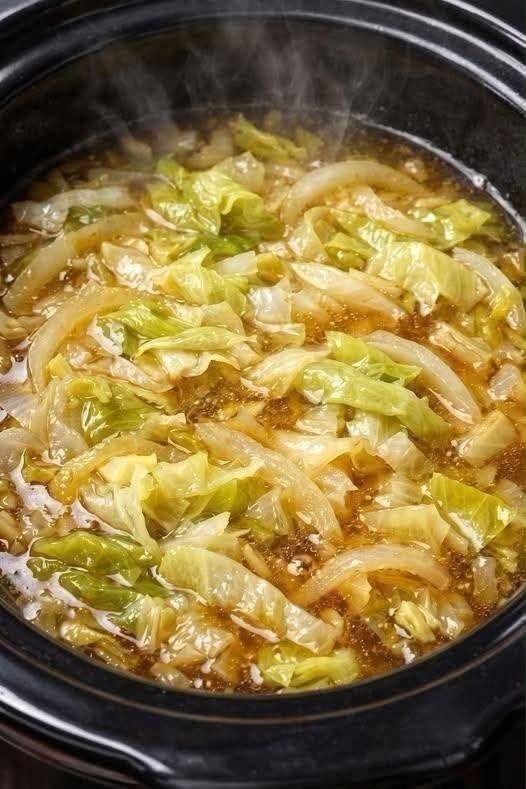

Homemade Cabbage Soup
Description
Homemade cabbage soup is a hearty, nutritious, and budget-friendly soup made with fresh cabbage, vegetables, herbs, and broth. It’s light yet satisfying, making it ideal for lunch, dinner, meal prep, or a comforting cold-weather meal. This soup is naturally rich in vitamins, minerals, fiber, and antioxidants while remaining low in calories.
Servings
Serves: 6
Preparation Time: 15 minutes
Cooking Time: 35–40 minutes
Total Time: 50–55 minutes
Ingredients
- 1 medium green cabbage, chopped (about 6 cups)
- 1 tablespoon olive oil
- 1 medium onion, diced
- 2 carrots, sliced
- 2 celery stalks, chopped
- 3 cloves garlic, minced
- 1 can (14 oz / 400 g) diced tomatoes
- 6 cups vegetable broth or chicken broth
- 1 teaspoon dried thyme
- 1 teaspoon dried oregano
- 1 bay leaf
- 1 teaspoon salt (adjust to taste)
- ½ teaspoon black pepper
- 1 tablespoon lemon juice (optional)
- 2 tablespoons fresh parsley, chopped
Instructions
Step 1: Sauté the Aromatics
Heat olive oil in a large soup pot over medium heat. Add onion, carrots, and celery. Cook for 5–6 minutes until softened. Stir in garlic and cook for 30 seconds.
Step 2: Add Main Ingredients
Add cabbage, diced tomatoes, broth, thyme, oregano, bay leaf, salt, and pepper. Stir well.
Step 3: Simmer
Bring the soup to a gentle boil. Reduce heat to low, cover, and simmer for 30–35 minutes until the vegetables are tender.
Step 4: Finish
Remove the bay leaf. Stir in lemon juice and fresh parsley.
Step 5: Serve
Ladle into bowls and serve warm with crusty bread, crackers, or a side salad.
Recipe Notes
- Green cabbage works best, but savoy or napa cabbage can also be used.
- For a richer flavor, use chicken broth instead of vegetable broth.
- Add extra vegetables such as zucchini, green beans, potatoes, or bell peppers.
- The soup tastes even better the next day as the flavors develop.
- Store leftovers in an airtight container.
Tips for Success
1. Don’t Overcook the Cabbage
Cook until tender but not mushy to maintain texture and nutrients.
2. Build Flavor Early
Properly sautéing onions, carrots, and celery creates a more flavorful soup base.
3. Use Fresh Herbs if Available
Fresh thyme and parsley provide brighter flavor than dried herbs.
4. Adjust Thickness
For a thicker soup, simmer uncovered for an additional 10 minutes.
5. Add Protein
Include shredded chicken, turkey, white beans, lentils, or ground beef for a more filling meal.
Nutritional Information (Per Serving)
Approximate values
| Nutrient | Amount |
|---|---|
| Calories | 105 |
| Protein | 3 g |
| Carbohydrates | 17 g |
| Fiber | 5 g |
| Sugars | 8 g |
| Fat | 4 g |
| Saturated Fat | 0.5 g |
| Sodium | 620 mg |
| Potassium | 420 mg |
| Vitamin C | 55% DV |
| Vitamin K | 75% DV |
Values vary depending on ingredients used.
Health Benefits
Rich in Fiber
Cabbage and vegetables provide dietary fiber that supports digestion and helps maintain fullness.
Low in Calories
A large serving provides substantial volume with relatively few calories.
Supports Immune Health
Cabbage, tomatoes, and carrots contain vitamins C and A, which support immune function.
Heart-Friendly
The soup is naturally low in saturated fat and can fit into many heart-conscious eating plans.
Hydrating
Broth-based soups contribute to daily fluid intake.
Contains Antioxidants
Cabbage and tomatoes contain plant compounds that help protect cells from oxidative stress.
Serving Suggestions
- Serve with whole-grain bread.
- Pair with a grilled cheese sandwich.
- Top with fresh parsley or green onions.
- Add a sprinkle of grated cheese for extra richness.
- Serve alongside a mixed green salad for a complete meal.
This homemade cabbage soup is simple, nourishing, economical, and easy to customize, making it an excellent recipe for both weeknight dinners and meal-prep lunches.