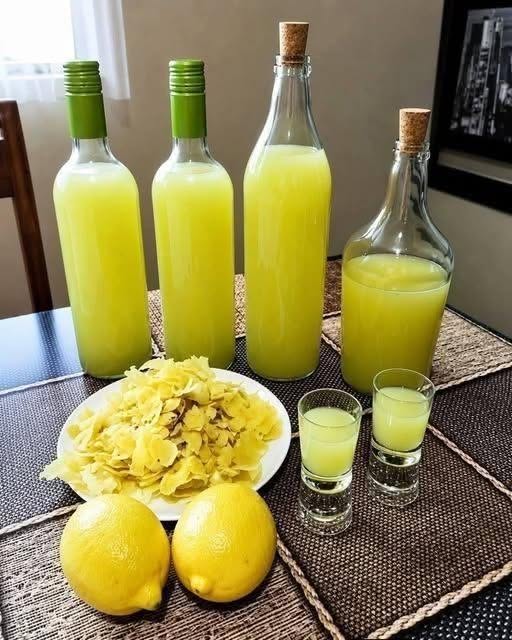

Ginger Water
🫚 Description
Ginger water is a simple, refreshing drink made by gently simmering fresh ginger in water. It has a naturally warm, slightly spicy flavor and can be enjoyed hot or chilled. Lemon can be added for freshness, while a little honey can provide sweetness.
🍵 Full Recipe
Prep Time: 5 minutes
Cook Time: 10–15 minutes
Total Time: 15–20 minutes
Servings: 4 cups
Ingredients
- 2 inches (about 30–40 g) fresh ginger
- 4 cups (1 liter) water
- 1–2 teaspoons lemon juice, optional
- 1–2 teaspoons honey, optional
Instructions
- Wash and peel the ginger if desired.
- Slice the ginger thinly or grate it for a stronger flavor.
- Add the ginger and water to a saucepan.
- Bring to a gentle boil, then reduce the heat and simmer for 10–15 minutes.
- Turn off the heat and let it steep for another 5 minutes.
- Strain the ginger pieces from the water.
- Add lemon juice and honey if desired.
- Serve warm, or cool and refrigerate for a refreshing chilled drink.
📝 Recipe Notes
- Milder flavor: Use about 1 inch of ginger and simmer for 5–10 minutes.
- Stronger flavor: Use more ginger or simmer for up to 20 minutes.
- Honey is best added after the drink has cooled slightly.
- Ginger water can be enjoyed plain; lemon and honey are optional.
- For chilled ginger water, refrigerate it in a covered container and use within a few days.
💡 Tips
- Fresh ginger generally gives better flavor than powdered ginger.
- Thinly slicing ginger allows its flavor to infuse easily.
- If you grate the ginger, strain the drink through a fine-mesh strainer.
- Don’t make it excessively concentrated if you’re new to ginger drinks.
- You can add a small amount of cinnamon or mint for a different flavor.
🍽️ Servings
This recipe makes approximately 4 servings (1 cup each).
📊 Approximate Nutritional Information
Per 1-cup serving, without honey or lemon:
| Nutrient | Approx. amount |
|---|---|
| Calories | 5–10 kcal |
| Carbohydrates | 1–2 g |
| Protein | <1 g |
| Fat | <1 g |
| Fiber | <1 g |
| Sugar | <1 g |
Nutrition varies depending on the amount of ginger used and how much of its compounds are extracted into the water. Honey will add additional calories and sugar.
🌿 Potential Benefits
Ginger contains naturally occurring compounds such as gingerols, and ginger preparations have been studied for several potential effects.
- May support digestion: Ginger may help with normal digestive function and stomach comfort.
- May help with nausea: Ginger has evidence for helping certain types of nausea.
- Refreshing way to hydrate: Since the main ingredient is water, it can be an enjoyable alternative to sugary beverages.
- Contains antioxidant compounds: Ginger provides bioactive plant compounds with antioxidant activity.
- May have anti-inflammatory properties: Ginger compounds have been investigated for their potential role in inflammatory processes.
Important: Ginger water isn’t a cure or treatment for disease, and the amount of active compounds in a cup of ginger water can vary considerably.
❓ Q&A
Q: Can I drink ginger water every day?
A: For most healthy adults, moderate amounts are generally well tolerated. If it causes heartburn, stomach discomfort, or other symptoms, reduce the amount or stop drinking it.
Q: Is ginger water good for weight loss?
A: Ginger water itself isn’t a proven weight-loss treatment. It can, however, be a low-calorie alternative to sugary drinks.
Q: Can I drink it on an empty stomach?
A: Some people tolerate it well, while others may experience heartburn or stomach irritation. If you’re sensitive, have it with or after food.
Q: Can I add lemon?
A: Yes. Lemon gives ginger water a bright, refreshing flavor.
Q: Can I add honey?
A: Yes, but honey adds calories and sugar. Add it according to your taste.
Q: Should ginger water be hot or cold?
A: Either is fine. It can be served warm as a soothing drink or chilled for a refreshing beverage.
Q: How long can I store ginger water?
A: Refrigerate it promptly in a covered container and use it within a few days for best quality.
Q: Can children drink ginger water?
A: Small culinary amounts of ginger are commonly used in foods, but concentrated ginger drinks aren’t necessary for children. For infants or children with medical conditions, check with a pediatrician first.
Q: Who should be cautious with ginger?
A: People taking blood-thinning medicines, those with certain medical conditions, or people who develop significant heartburn or stomach irritation should discuss regular or concentrated ginger use with a healthcare professional.